Telegraph
Telegraph Protocol is a cutting-edge cross-chain bridge designed to integrate the Telegram/TON ecosystem with Ethereum-based DeFi protocols. As the lead UI/UX designer for this project, I focused on creating a digital gateway that translates complex blockchain infrastructure into a seamless, user-centric web experience.

Company
Telegraph Protocol
Challenges (The "Why")
High Technical Abstraction: Cross-chain liquidity and bridging between TON and Ethereum are highly technical concepts. Most users find "interoperability" intimidating and difficult to grasp at first glance.
Ecosystem Fragmentation: Telegram users (TON) and DeFi power users (Ethereum) have different design expectations. Merging these two distinct "vibes" into a single, cohesive brand identity was a significant challenge.
Trust & Security Perception: In the Web3 space, users are naturally skeptical of new protocols. A design that looks "amateur" or cluttered can immediately lead to a loss of trust, which is fatal for a financial bridge.
Information Overload: Explaining the protocol's architecture, documentation, and various sub-features without overwhelming the user required a very careful content hierarchy.
Solutions (The "How")
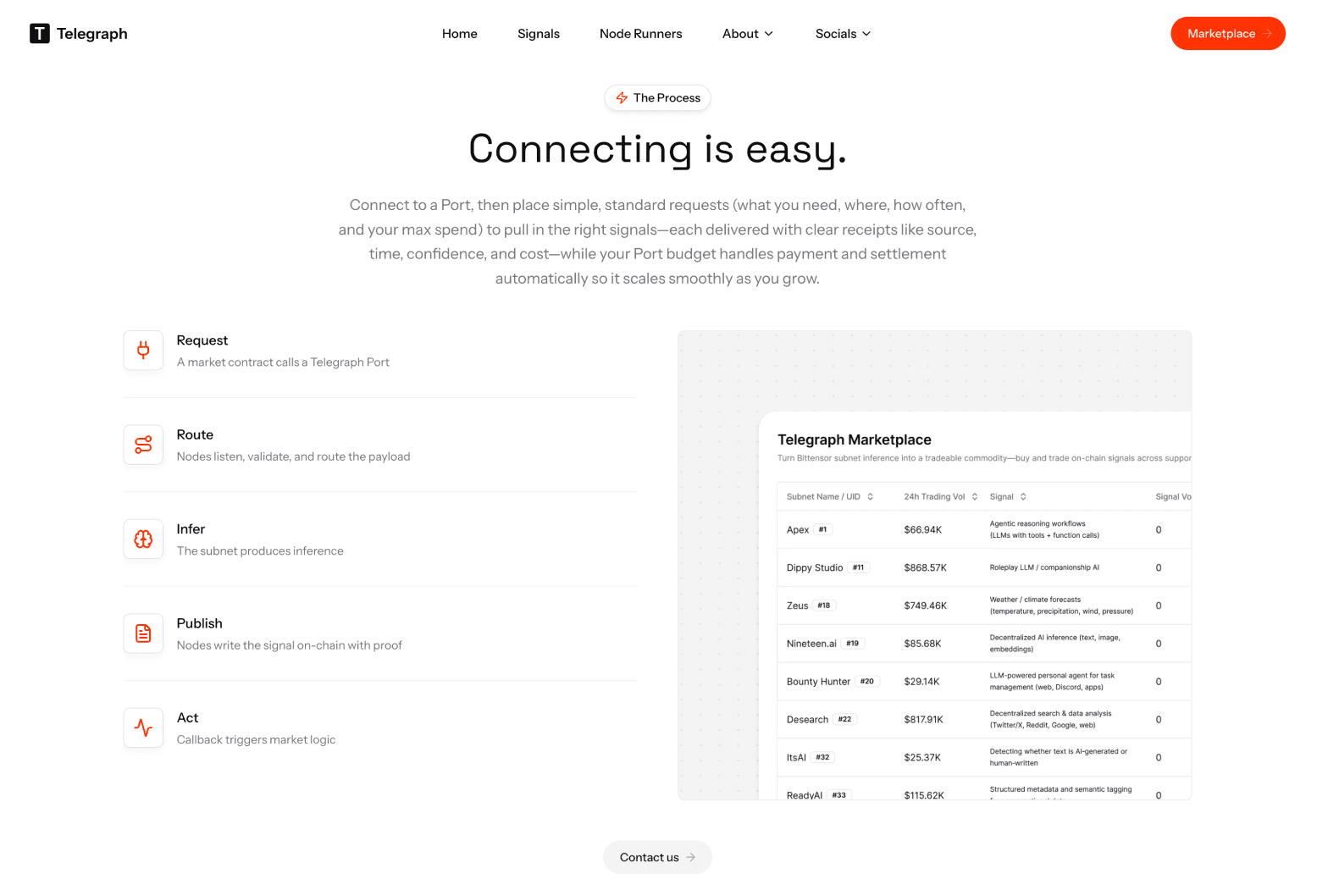
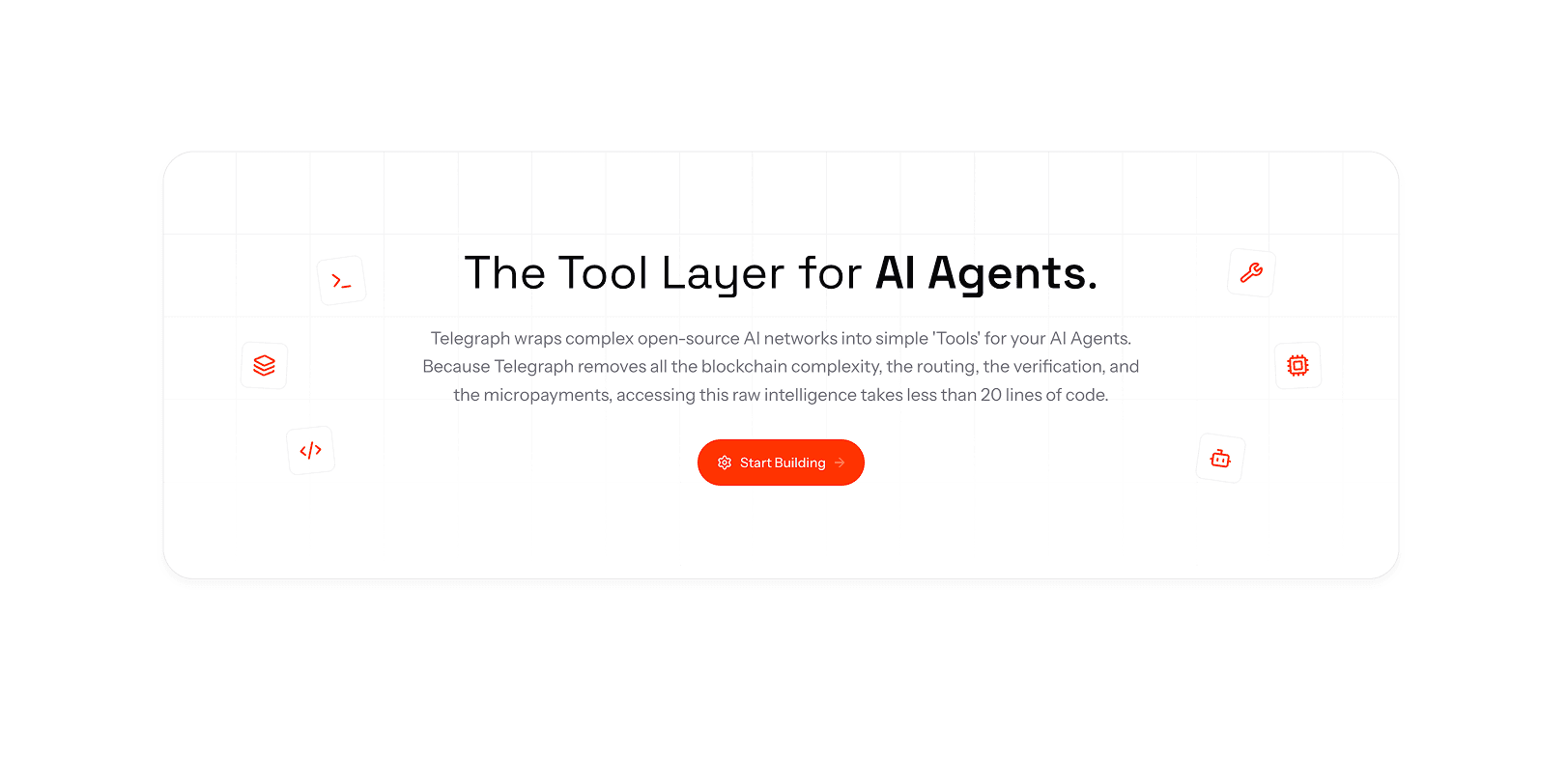
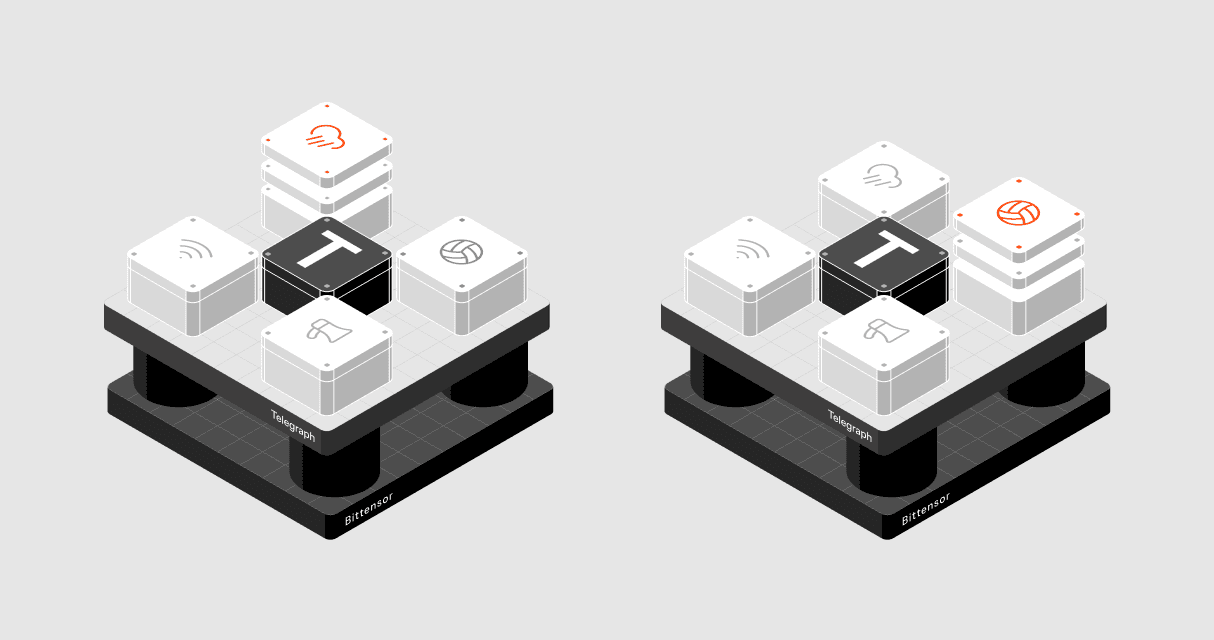
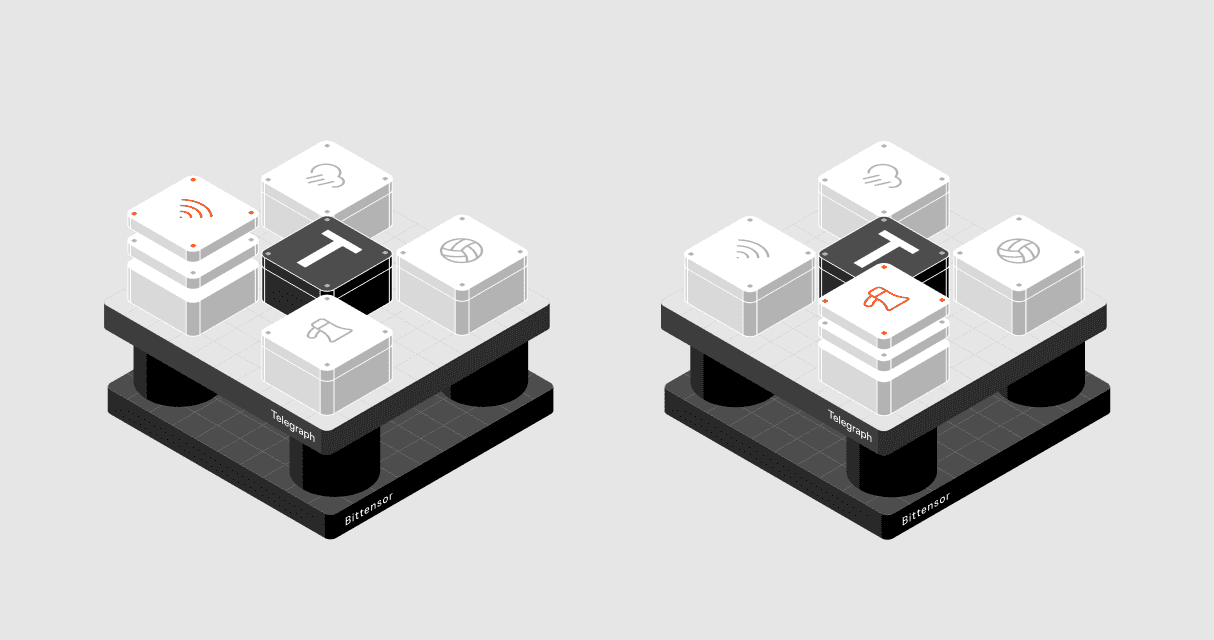
Simplified Visual Metaphors: I translated complex blockchain terminology into digestible, "bite-sized" content blocks. By using clean iconography and a clear value proposition, I lowered the entry barrier for non-technical users.
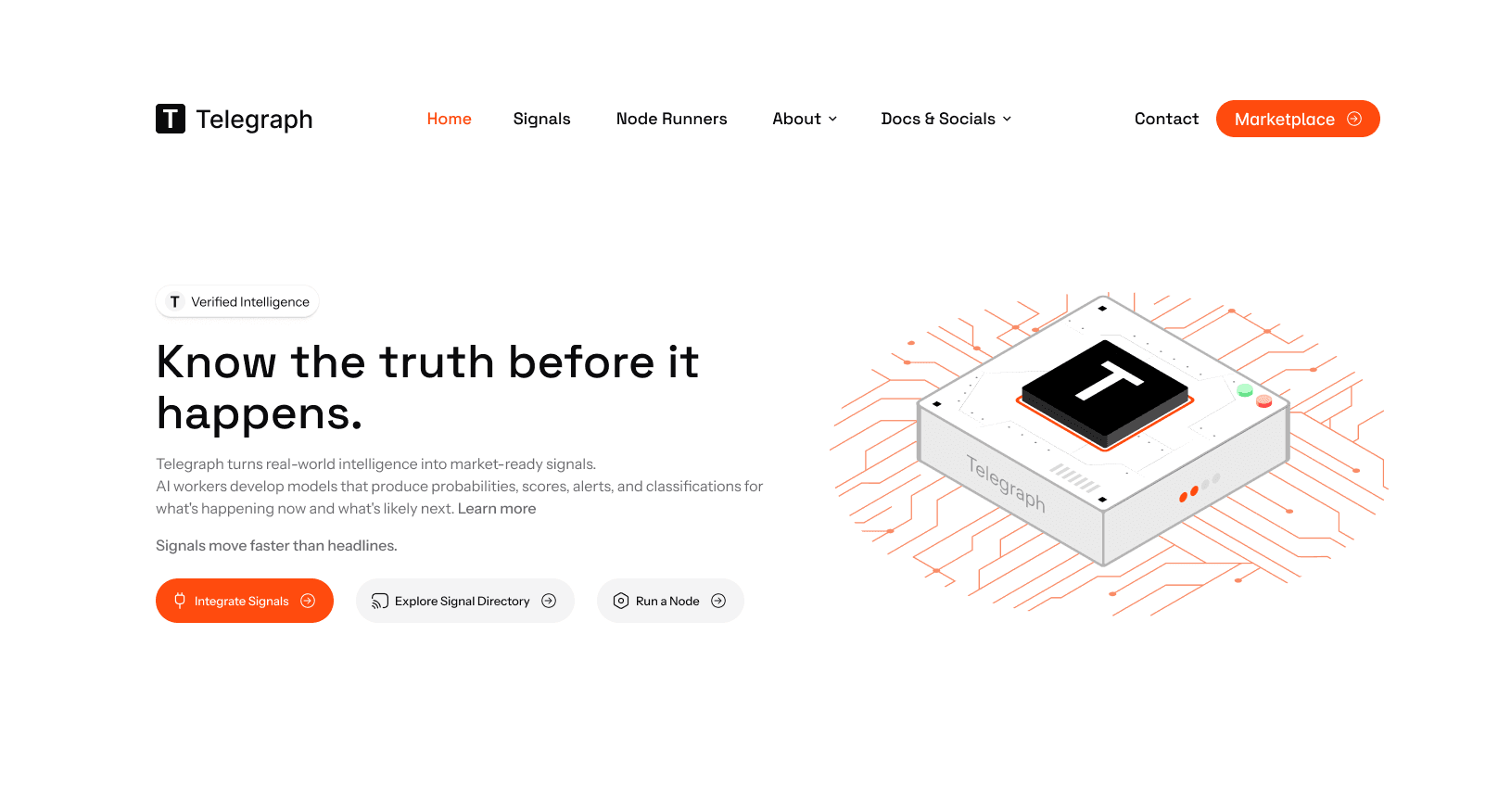
Hybrid Brand Identity: I developed a UI that feels "at home" for both audiences. I combined the sleek, fast-paced minimalism of the Telegram interface with the sophisticated, dark-themed professional aesthetic typical of high-tier Ethereum dApps.
High-Fidelity Visual Authority: To establish immediate credibility, I implemented a high-contrast dark mode, premium gradients, and a sharp typographic system. This "clean-tech" look signals security and professional engineering.
Strategic Information Architecture: I applied a "Progressive Disclosure" strategy. Instead of showing everything at once, I structured the homepage to highlight the benefits first, while keeping the deep technical documentation just one click away for power users.
Mobile-First Optimization: Knowing that the majority of the Telegram community accesses the ecosystem via mobile devices, I meticulously optimized the responsive layout to ensure the "Bridge" experience is flawless on any screen size.
Key Research Insights
Visual Trust is Currency: In Web3, "looking professional" isn't just about aesthetics; it’s a security feature. If the UI looks experimental, users won't trust it with their funds.
Mobile-First is Mandatory: Since Telegraph Protocol is built for the Telegram ecosystem, the mobile web experience had to be the "primary" version, not an afterthought.
The "Speed" Perception: Users perceive a bridge as "faster" if the interface is clean and the steps are clearly numbered.
Result
Reduced Cognitive Load: By simplifying the Information Architecture, we reduced the "time-to-understand" for new users, allowing them to grasp the protocol’s core value in under 10 seconds.
High-Trust Conversion: The professional, dark-themed UI led to a significant increase in user trust, directly correlating with an increase in TVL (Total Value Locked) as users felt more secure connecting their wallets.
Mobile-First Performance: Over 70% of the platform's initial traffic was mobile-based, confirming that our mobile-priority UX strategy was the correct approach for the Telegram ecosystem.
Scalable Brand Identity: We created a design system that can evolve with the protocol as more chains (besides TON and Ethereum) are added, ensuring future-proof consistency.