Subnet.ai is an evolving startup project dedicated to providing users with transparent, high-fidelity data and in-depth insights into the decentralized AI initiatives within the Bittensor network. Since its inception, I have been leading the end-to-end design process, focusing on transforming complex blockchain metrics into intuitive, user-centric interfaces. My ongoing involvement includes continuous product iteration, visual strategy, and enhancing the overall user experience to support the platform's growth.
Date

Ongoing

Date

Ongoing

Role

UI/UX Designer

Role

UI/UX Designer

Company

Subnet.ai

Problem

Subnet.ai faced several challenges:

  1. Data Overload & Complexity: The Bittensor ecosystem generates vast, technical data—such as emission rates, recycling, and stake amounts—that is fragmented and difficult for the average user to interpret. Existing blockchain explorers are often visually cluttered, creating a high barrier to entry for new participants.

  2. Lack of Transparency: In decentralized networks, transparency is vital, yet users frequently struggle to find clear, visual insights into "Whale Holdings" or specific "Validator" behaviors. Without this clarity, stakeholders cannot easily perform due diligence or assess network health.

  3. Scalability & Design Debt: As a fast-growing startup, Subnet.ai requires constant feature iterations. Without a solid foundation, adding complex new functionalities like "Subnet Comparisons" or "Advanced Analytics" would lead to a fragmented user experience.
Solution

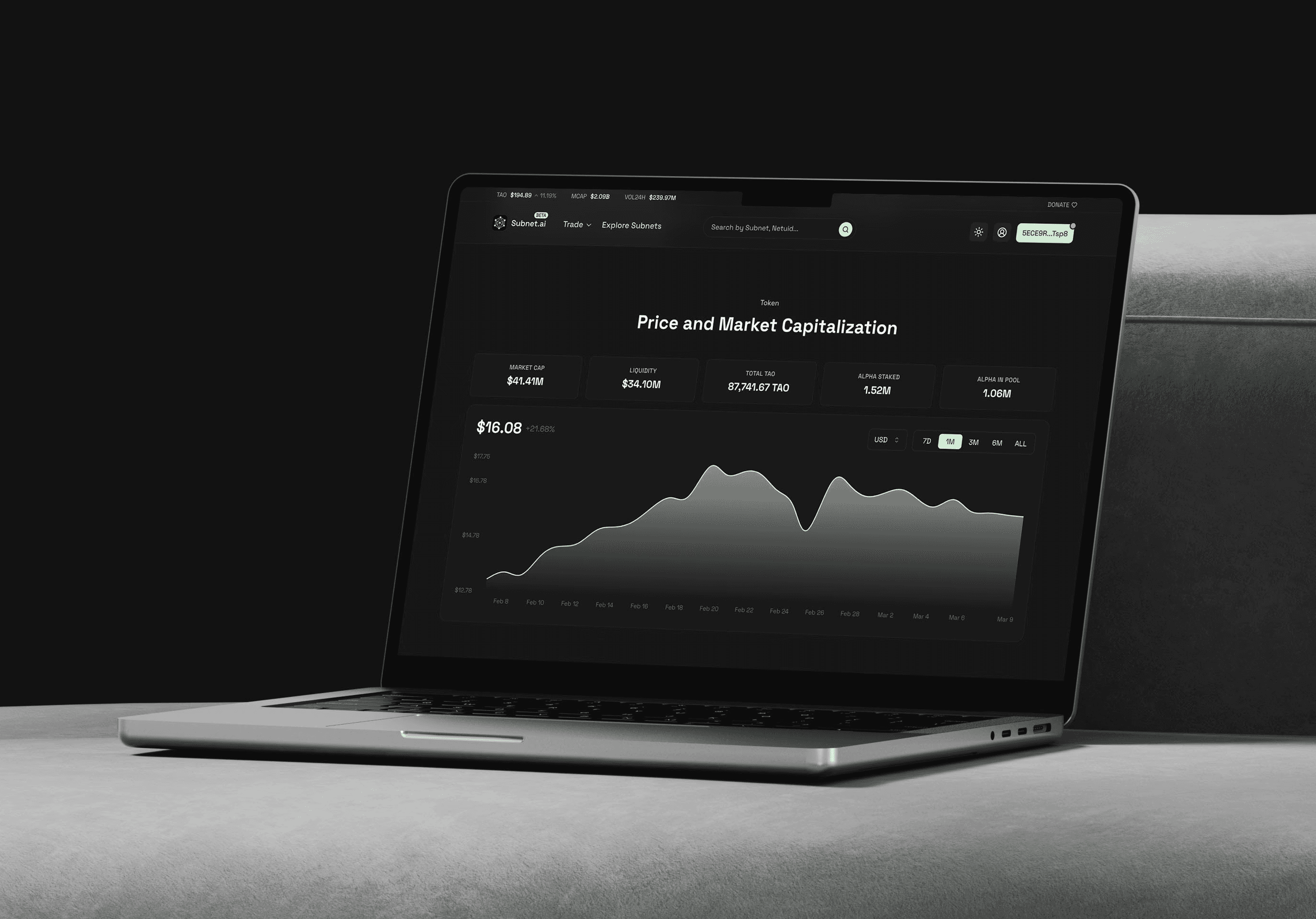
  1. Intuitive Information Architecture: I designed a clean, hierarchical system that prioritizes "scannability." By creating custom data visualization components and intuitive grouping for validator metrics, I transformed raw, intimidating data into a readable and actionable dashboard.

  2. Visualizing Transparency: I developed dedicated "Validator Details" and "Whale Tracking" modules. By implementing high-fidelity UI elements and clear progress indicators, I ensured that crucial transparency metrics are front-and-center, fostering community trust.

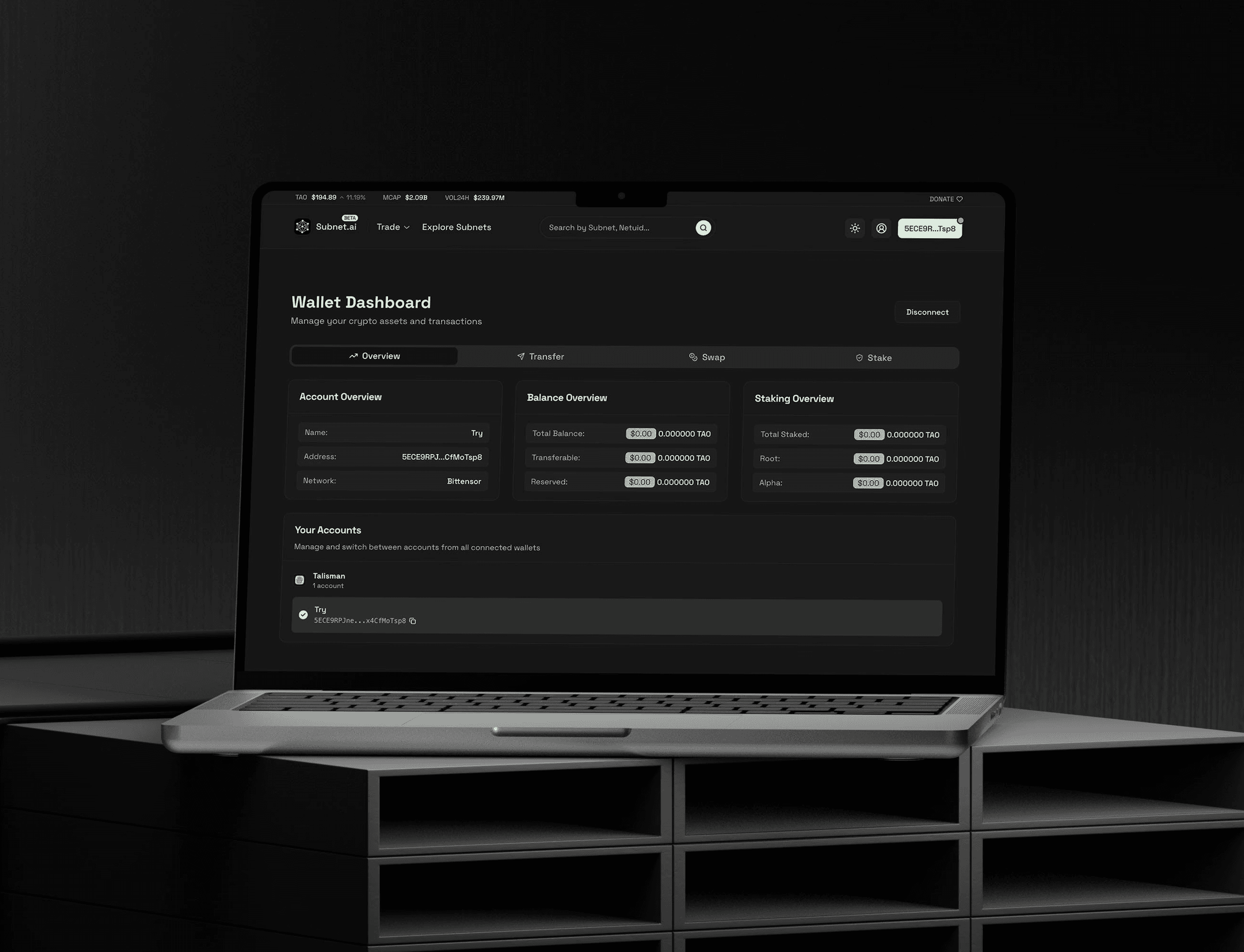
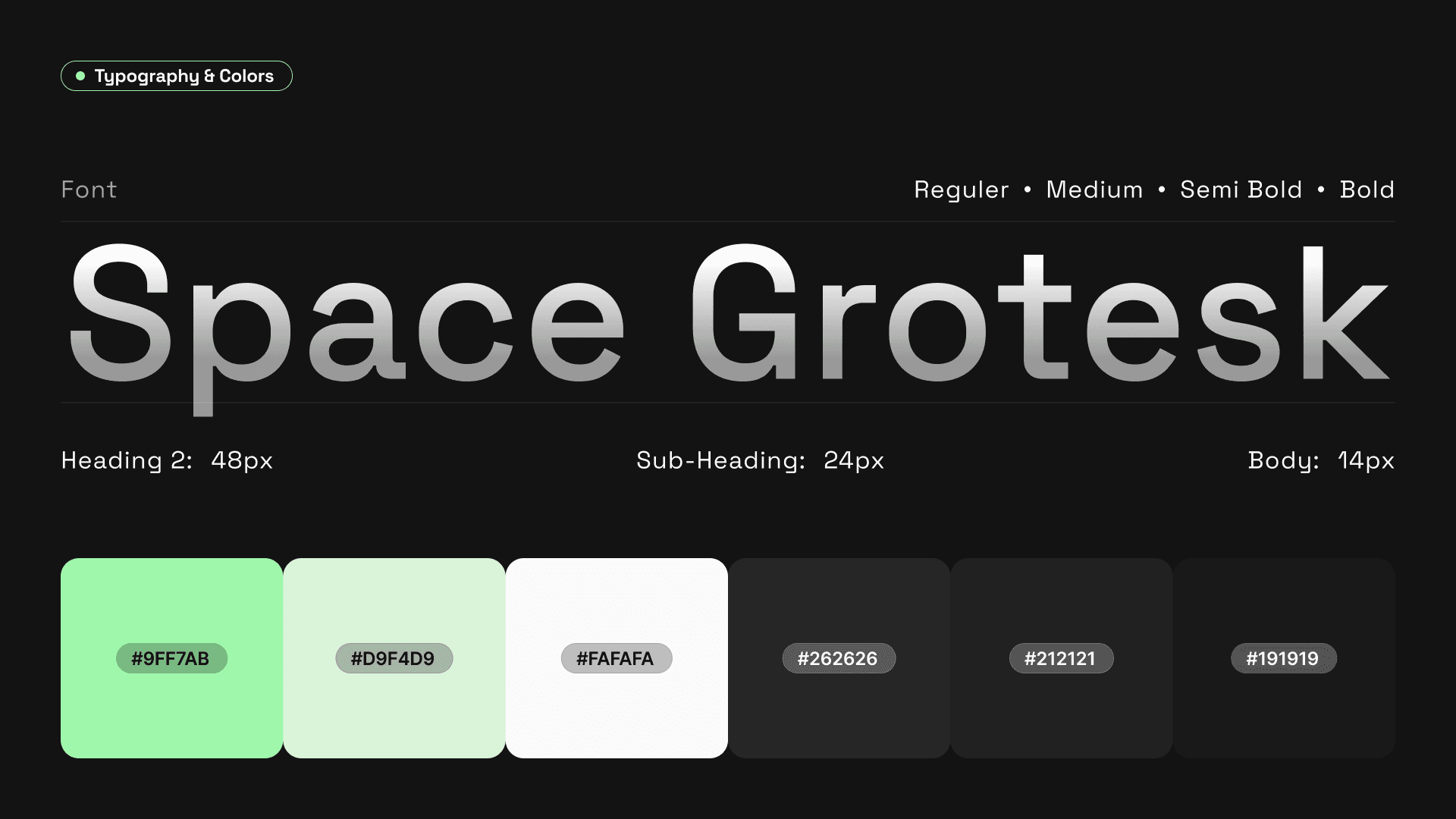
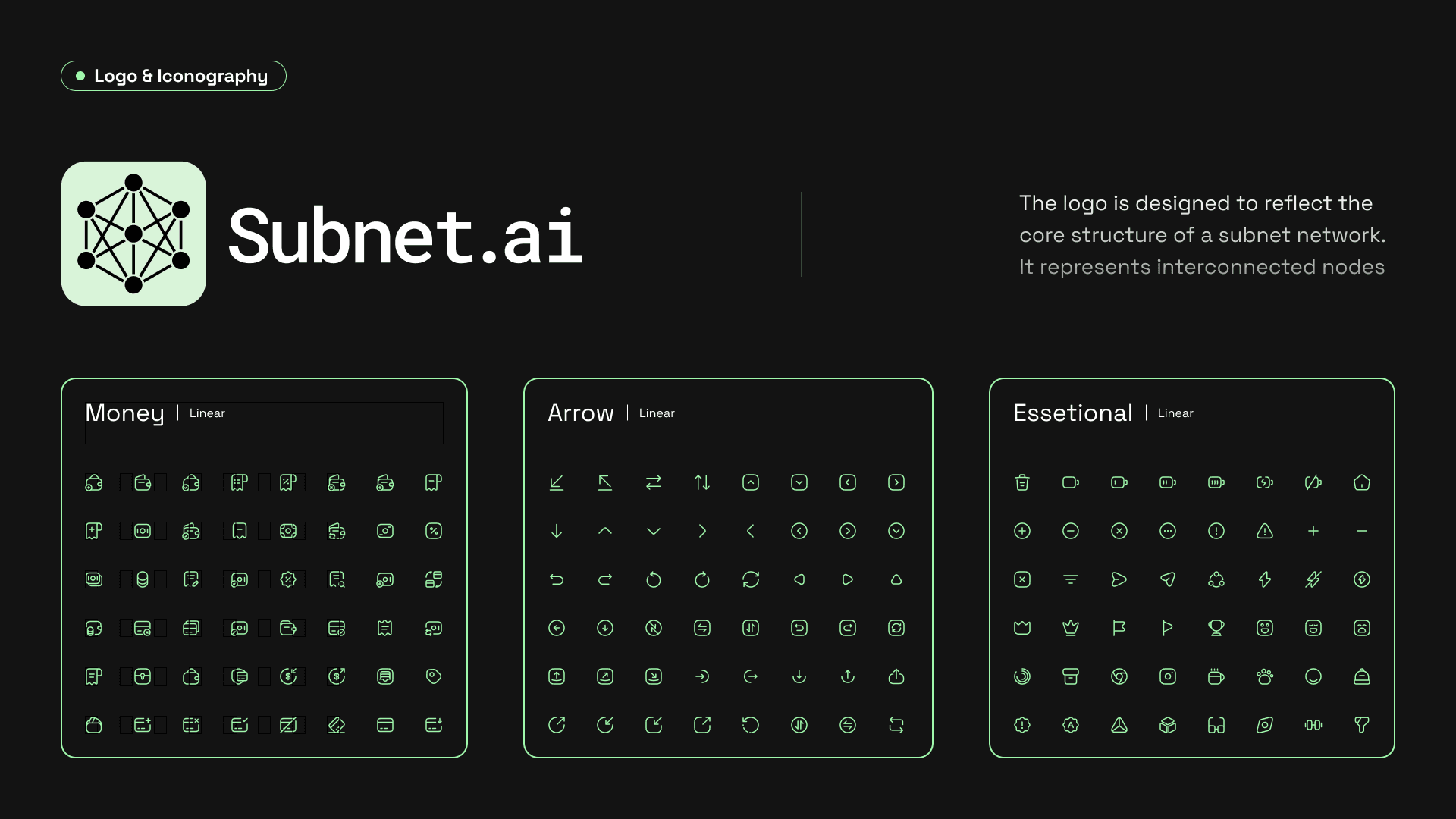
  3. Modular Design System: From the project's inception, I built and maintained a scalable framework. This system allows for rapid prototyping and seamless integration of new features while ensuring visual and functional consistency across the entire platform as it continues to evolve.

User Research

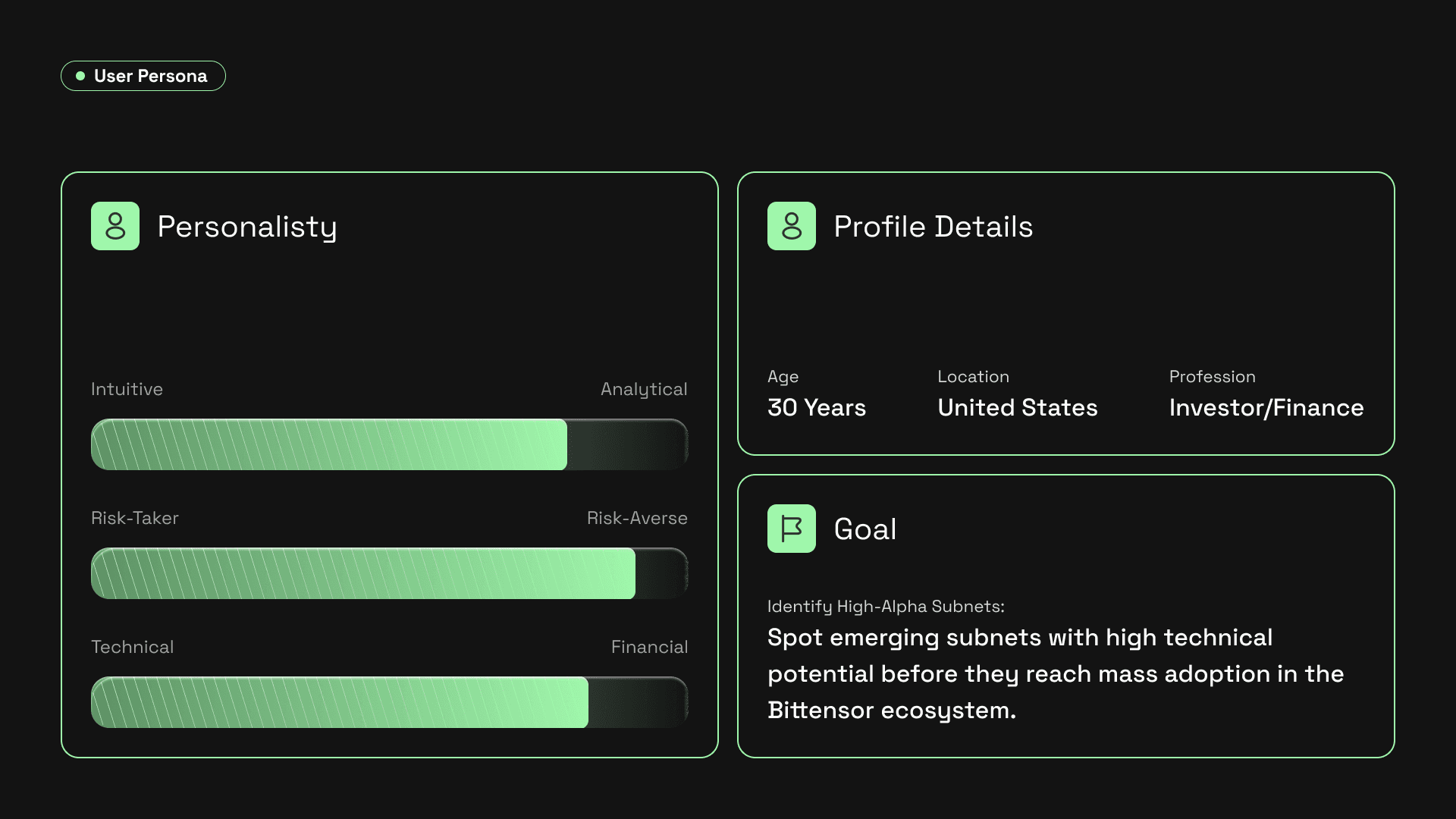
  • Target Audience: Focused on two primary user groups: Institutional Validators requiring high-precision technical data, and TAO Holders/Investors seeking a simplified overview of the network’s health.

  • Competitor Analysis: Identified that while existing Bittensor explorers provided raw data, they lacked visual hierarchy and contextual insights, often leaving users overwhelmed by "data noise."

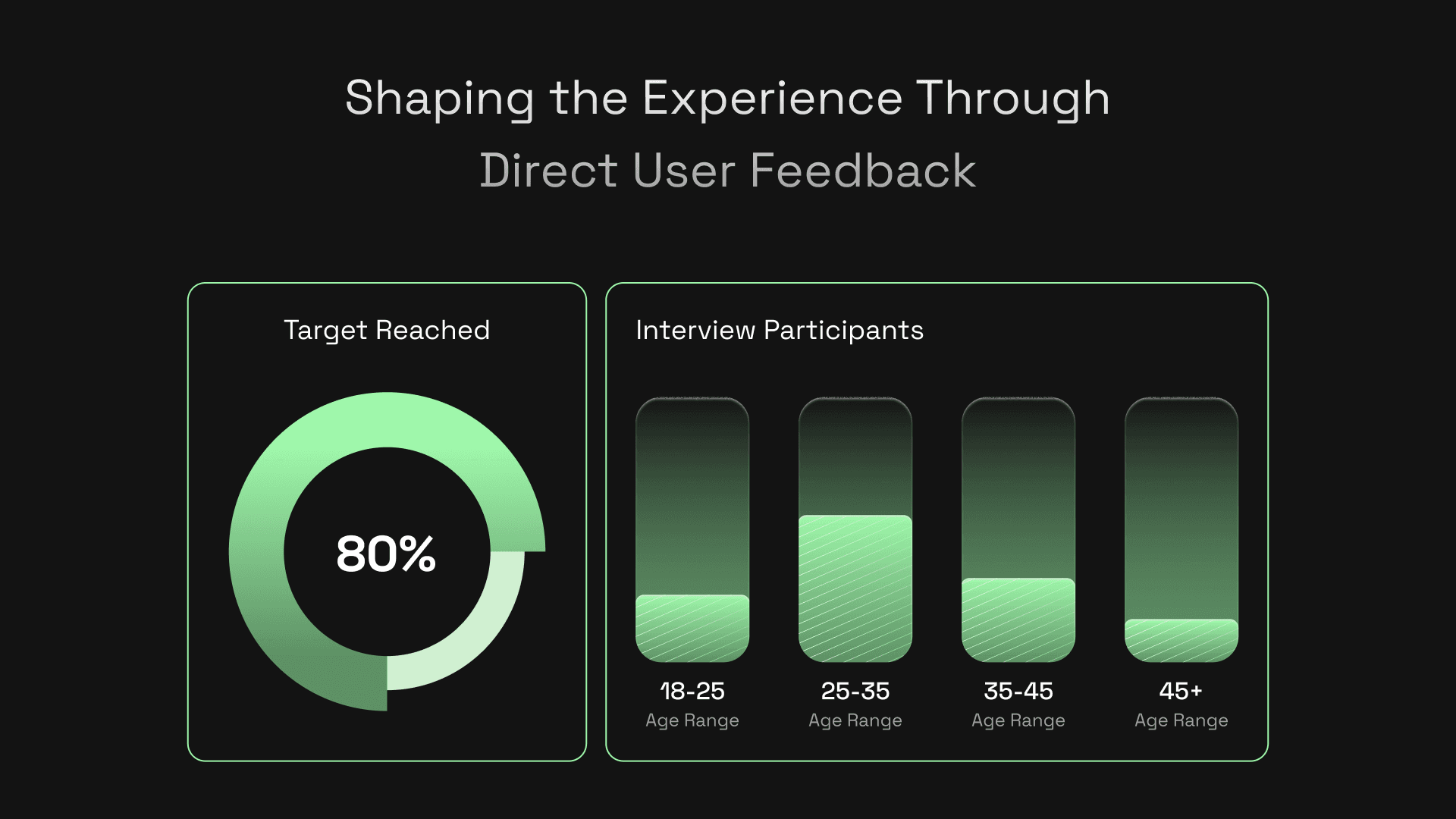
  • Community Feedback: Interviews with active participants highlighted a critical need for real-time transparency in Whale Holdings and Validator performance to build trust within the decentralized ecosystem.

Result

  • User Engagement: Successfully transformed complex Bittensor metrics into a streamlined dashboard, leading to a significant increase in daily active users and session duration.

  • Enhanced Transparency: Launched the "Whale Holdings" and "Validator Details" modules, which became the most visited features, establishing the platform as a trusted source for network transparency.

  • Design Scalability: Developed a robust, modular design system that reduced the time-to-market for new feature integrations by approximately 40%, ensuring visual consistency during rapid growth.

Next Project
Let's Collaborate

Let's talk about a project,
collaboration or an idea you may have

Let's Collaborate

Let's talk about a project,
collaboration or an idea you may have

Let's Collaborate

Let's talk about a project,
collaboration or an idea you may have

Let's Collaborate

Let's talk about a project,
collaboration or an idea you may have